In a report published by the Robert Wood Johnson Foundation in 2017, “Health equity means that everyone has a fair and just opportunity to be healthier. This requires removing obstacles to health such as poverty, discrimination, and their consequences, including powerlessness and lack of access to good jobs with fair pay, quality education and housing, safe environments, and health care.”
Bobby Watts, CEO of the National Health Care for the Homeless Council, quoted this report when he moderated a panel at Illumination Foundation’s “Together We Can: Solutions to Address Health Equity,” consortium on April 19 in Anaheim, California.
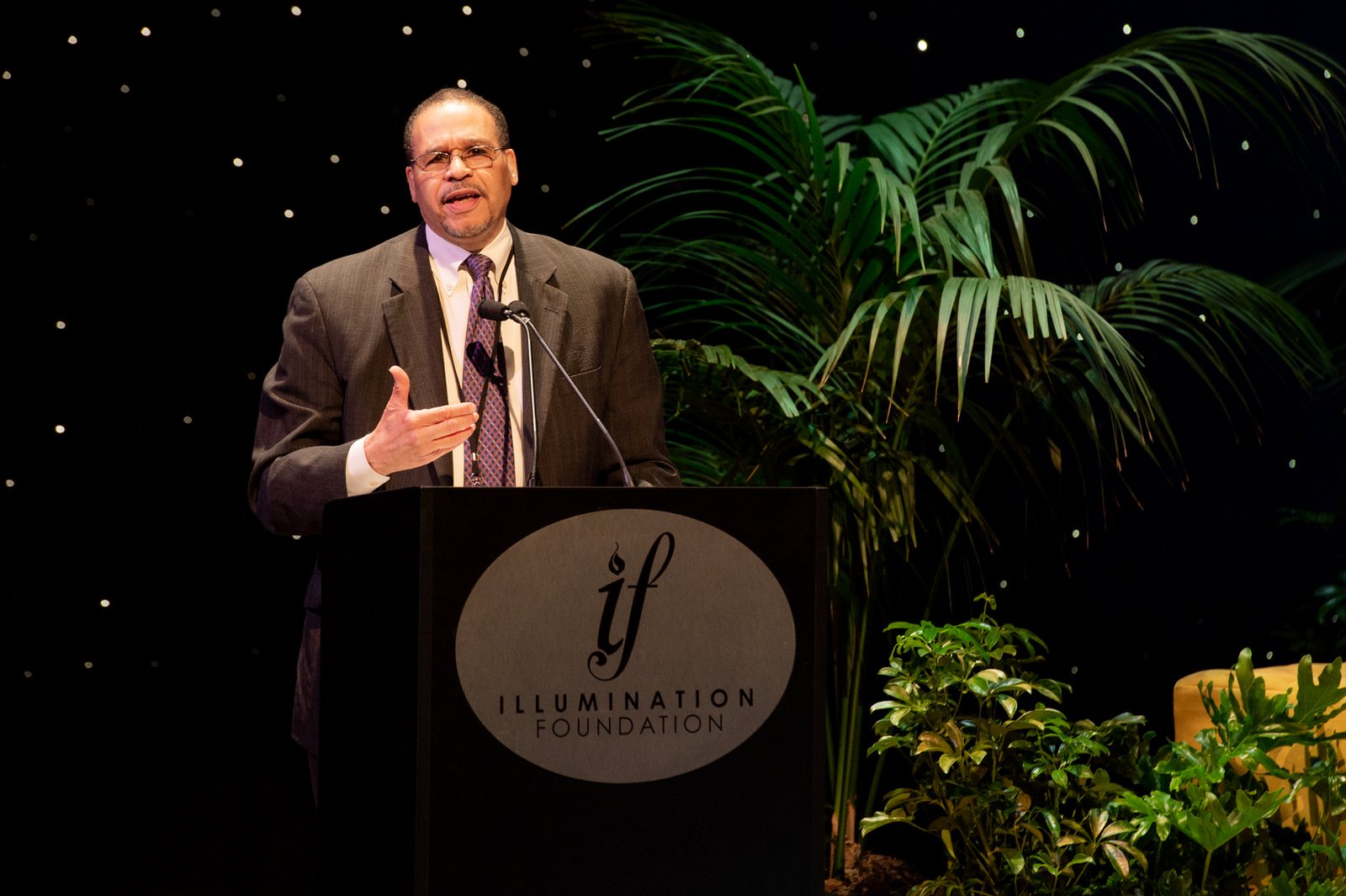
He went on to explain to an audience of more than 350, including nurses, public health officials, law enforcement, healthcare providers, and students, that health equity will be achieved when health inequities are addressed and eliminated. But awareness is a key factor in whether the problems are addressed. Native Americans, for example, “are three to five times more likely to experience homelessness than the general population. This is a demographic that is largely ignored. Lack of healthcare is a public health crisis, but it’s also a moral crisis. We have the ability to solve homelessness. Housing and healthcare are human rights.”
In his closing comments, Watts remarked: “I’ve been working in this space for 15 years and trying to explain the value of diversity in addressing health equity. Something switched in the public after the George Floyd murder, and in my world, I suddenly no longer have to convince people that there is a problem. We don’t know what all the solutions are, but people are calling the Council to ask what they can do. We are at this tipping point with health equity. People are saying to me, we know this is important, how do we get to the next step? How do we replicate successful models? I’m truly hopeful and grateful that we are able to have these conversations.”
Learn more about housing and healthcare for those experiencing homelessness at www.ifhomeless.org.